
Monica Denis Mushy
Advocate head of Corporate and conveyance department

Address: Plot No. 137/9, Kijenge Area, Nelson Mandela Road.
Office Hours: 08.00 am - 17.00 pm.
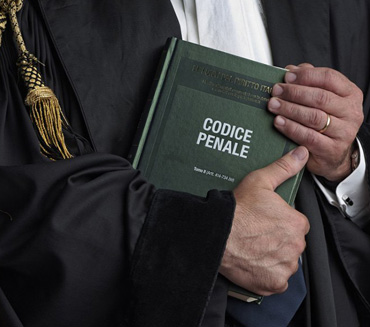


In Tanzania, drug laws are primarily governed by the Drug Control and Enforcement Act, 2015 (Act No. 5 of 2015), which repealed and replaced earlier legislation like the Drugs and Prevention of Illicit Traffic in Drugs Act. This Act establishes robust rules for controlling narcotic drugs and psychotropic substances, aiming to prevent and combat drug trafficking, abuse, and related activities. It aligns with international conventions on narcotic drugs and psychotropic substances. Below is an overview of the key aspects of drug laws in Tanzania, with a focus on advocacy perspectives:
Illicit Traffic: Covers activities like cultivation, production, possession, sale, purchase, transportation, and import/export of narcotic drugs or psychotropic substances without legal authorization. It also includes financing or abetting such activities.
Drug Control and Enforcement Authority (DCEA):
Established under the Act, the DCEA, operational since February 17, 2017, coordinates efforts to reduce drug supply, demand, and harm. It conducts investigations, arrests, searches, and seizures, and collaborates with national and international bodies to combat drug trafficking.
The DCEA also promotes prevention, public education, and rehabilitation programs for drug addicts.
It is easy to become Creating a prenuptial agreement in Tanzania requires careful consideration due to the lack of specific legislation explicitly recognizing or regulating such agreements. Below is a concise guide based on available information ...
To obtain an annulment in Tanzania, you need to follow the legal procedures outlined primarily in the Law of Marriage Act, 1971 (as amended in 2019). An annulment declares a marriage null and void, meaning it ...
Family law mediation in Tanzania is a form of alternative dispute resolution (ADR) where a neutral third party, the mediator, facilitates discussions between disputing family members to reach a mutually acceptable agreement on issues like divorce, ...
Confiscation: Any narcotic drug, psychotropic substance, or goods used to conceal them (e.g., vehicles or packages) are subject to confiscation if involved in illegal activities. Proceeds from the sale of such substances are also confiscated.
Foreign Nationals: Tanzania’s strict laws apply to all, with severe penalties for trafficking, including prison sentences. Foreigners risk detention for possessing or attempting to export illegal substances.
Regulation of Legal Drugs:
Licensing for manufacturing, distribution, and retail of medicines is strictly controlled to prevent diversion of precursor chemicals or controlled substances.
Rights of Suspects:
Advocacy Perspectives on Drug Laws in Tanzania
HIV Prevention: With an estimated 25,000–50,000 people who inject drugs (PWID) in Tanzania, advocates highlight the link between drug use and HIV transmission (e.g., 15.5% HIV prevalence among PWID in Dar es Salaam). Harm reduction programs, such as needle exchange and opioid substitution therapy, are critical to reducing this burden.
Public Education: Advocacy groups push for increased awareness campaigns targeting youth, families, and educators to prevent drug abuse, as most users begin in adolescence or young adulthood.
Decriminalization of Minor Offenses:
A shift toward fines or alternative penalties for first-time offenders is often proposed to focus enforcement on trafficking rather than personal use.
Addressing Corruption:
Regulatory Challenges in Drug Shops:
International Cooperation:
Challenges for Advocates
Resource Constraints: Limited funding and infrastructure hinder the expansion of treatment and harm reduction programs, particularly in rural areas where knowledge and practices around drug use are poor.
Balancing Enforcement and Rights: Advocates face the challenge of promoting harm reduction without undermining the government’s efforts to combat trafficking, given Tanzania’s role as a transit country for heroin and cocaine.


Recent Comments